What to Expect During a Roof Replacement in Rockingham
Replacing a roof is one of the largest maintenance investments a homeowner in Rockingham will make. Knowing how the process works, from the first inspection to the final clean-up, helps you plan your budget, prepare your property and avoid surprises. This guide covers each stage of a roof replacement for homes in Rockingham and the surrounding Perth southern coastal suburbs, with attention to local conditions and Western Australian requirements as of 2026.

Why Roof Replacement Needs Local Consideration in Rockingham
Rockingham sits on the coast south of Perth, and its roofs face a tougher environment than many inland suburbs. Salt-laden sea air accelerates corrosion on metal roofing and fixings, strong afternoon sea breezes and winter storms put pressure on tiles and ridge capping, and intense summer UV exposure degrades paint finishes, sealants and older tile glazes.
Many homes in Rockingham, Waikiki, Warnbro, Safety Bay, Baldivis and Port Kennedy have either concrete or terracotta tile roofs or Colorbond steel roofing. Older homes may still have asbestos cement sheeting, which requires special handling (covered below). Because of these factors, material choice and installation quality matter more near the coast than they might https://marcogvgs806.wordcanopy.com/posts/how-bird-nesting-can-damage-your-roof-and-block-gutters elsewhere.
Signs It Is Time to Replace Rather Than Repair
Not every roof problem calls for a full replacement. A qualified roofer can tell you whether repairs will extend the life of your roof or whether replacement is the more economical choice. Common indicators that replacement is needed include:
- Widespread cracked, broken or porous tiles, especially if tiles crumble when handled
- Rusting, flaking or perforated metal sheets, particularly around fixings and valleys
- Repeated leaks in several areas after previous repairs
- Sagging roof lines or visibly deteriorated battens and timber framing
- Bedding and pointing on ridge caps that has failed across much of the roof
- Roof age beyond typical lifespan: roughly 20 to 30 years for older metal sheeting in coastal conditions, and 40 to 60 years or more for well-maintained tiles (though the underlay and fixings often fail sooner)
- Significantly higher energy bills due to poor insulation or heat gain through the roof
Step 1: Inspection and Quote
The process starts with a thorough roof inspection. A reputable contractor will inspect the roof surface, the roof space (ceiling cavity), the framing, gutters, flashings and any penetrations such as skylights, vents and flues. Expect them to take photographs and measurements.
A proper written quote should itemise:
- The type, brand, profile and colour of the new roofing material
- Removal and disposal of the existing roof
- Replacement of battens, sarking or anticondensation blanket, and any timber repairs
- Gutters, fascia, downpipes and flashings if included
- Insulation upgrades, if applicable
- Estimated start date, duration and payment schedule
- Warranty details for both workmanship and materials
It is sensible to obtain at least three quotes and compare them on scope, not just price. A very low quote may omit items such as sarking, flashings or proper waste disposal.
Step 2: Choosing Roofing Materials
Material choice affects cost, appearance, durability and thermal performance. The main options for Rockingham homes are outlined below.
Colorbond Steel
Colorbond is popular across Perth because it is lightweight, durable and available in a wide colour range, including lighter Solar Absorptance options that help reduce heat gain. In coastal areas, confirm that the product and fixings are rated for your proximity to the ocean, as manufacturer warranties can vary depending on distance from the coast. Rockingham properties close to the shoreline may need a higher-grade coating or specific maintenance, such as periodic washing of areas not rinsed by rain.
Concrete Tiles
Concrete tiles remain common in Perth and are durable and relatively affordable. They are heavy, so the roof structure must be able to support the load. If your home currently has a metal roof, switching to tiles may require a structural assessment.
Terracotta Tiles
Terracotta tiles hold their colour well, resist fading and perform strongly in coastal environments. They tend to cost more than concrete tiles and are also heavy.
Re-roofing Over Existing Roofs
In some situations, new metal sheeting can be installed over existing battens after removing old tiles, provided the framing is sound. A full strip-back is usually recommended so that the structure can be properly inspected.
Step 3: Approvals, Regulations and Compliance
In Western Australia, like-for-like roof replacement often does not require a development approval, but a building permit may be required in certain situations, such as when you change the roof structure, pitch or materials in a way that affects the structural load. Requirements can also differ if your property is in a heritage area or a strata complex. Check with the City of Rockingham and, if relevant, your strata council or body corporate before work begins.
Your contractor should hold the appropriate licensing and insurance. In WA, building work above the relevant value threshold must be carried out by a registered builder, and home building work of significant value requires home indemnity insurance. Ask to see:
- Current builder or contractor registration through the Building and Energy division of the Department of Mines, Industry Regulation and Safety
- Public liability insurance certificate
- Workers compensation insurance
- Home indemnity insurance, where required for the contract value
Roofs must also meet the National Construction Code and relevant Australian Standards for wind loading, fixing and waterproofing. Perth is in a non-cyclonic wind region, but coastal exposure and local gusts still make correct fixing patterns important. Energy efficiency requirements for insulation and roof colour may also apply to some work, so ask your roofer how the project aligns with current standards.
Asbestos: An Important Safety Consideration
Many Perth homes built before the late 1980s have roofing, eaves or fencing made from asbestos cement. If your Rockingham home was built in that era, the existing roof sheets may contain asbestos. Do not attempt to remove, drill or break these materials yourself.
Asbestos removal in WA must follow strict safety rules. Depending on the quantity, removal may need a licensed asbestos removalist, and the material must be wrapped, transported and disposed of at an approved facility. A roofer should be upfront about whether asbestos is suspected and how it will be handled. Testing a small sample through an accredited laboratory can confirm the material. Removal costs more than standard tile or sheet disposal, so factor this into your budget.
Step 4: Preparing Your Property
Preparation reduces risk and keeps the project moving. Before the crew arrives, you can:
- Clear vehicles from the driveway and street frontage to allow skip bin and material deliveries
- Move outdoor furniture, pot plants, barbecues and play equipment away from the house
- Cover or relocate items in the roof space and remove wall hangings that may shake loose from vibration
- Let neighbours know about the work, including expected noise and deliveries
- Arrange for pets to be kept indoors or elsewhere, as noise and debris can distress animals
- Check that solar panels, antennas and satellite dishes will be detached and reinstalled by the appropriate tradespeople
If you have rooftop solar, coordinate with your solar installer. Panels typically need to be removed and re-fitted by a licensed electrician or accredited installer, which adds time and cost but is essential for safety and warranty reasons.
Step 5: What Happens During the Replacement
The sequence of work is generally consistent, regardless of the material being installed.
- Site setup and safety: Crews install scaffolding or edge protection, position a skip bin and set up protective coverings. Edge protection is a legal requirement for work at height in WA.
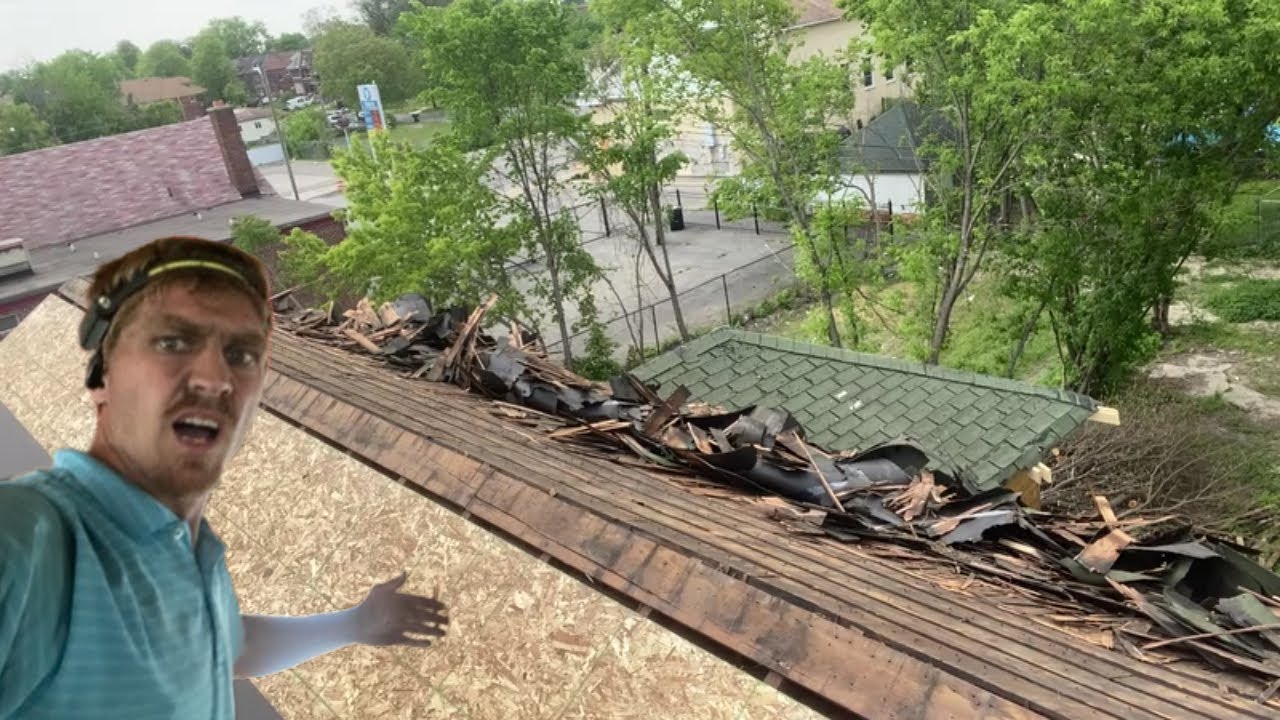
- Removal of the old roof: Tiles or sheets, ridge capping and flashings are stripped. This is the noisiest phase. Debris is placed into skip bins, and tiles may be sorted for recycling where facilities allow.
- Structural inspection and repairs: With the roof exposed, the crew checks rafters, trusses and battens for rot, termite damage or sagging. Any necessary repairs are carried out, and any variations should be discussed and agreed with you in writing before extra work begins.
- Installing sarking and insulation: A waterproof or anticondensation membrane is laid over the framing. Insulation upgrades may be added at this stage or in the ceiling space.
- Fixing new battens and roofing: New battens are installed, followed by tiles or metal sheets, fixed according to the manufacturer’s specifications and wind-load requirements.
- Flashings, ridge capping and gutters: Valleys, ridges, walls, skylights and other penetrations are flashed and sealed. New gutters and downpipes are fitted if included in the scope.
- Clean-up and final inspection: The site is cleared, magnetic sweepers are typically used to collect stray nails and screws, and the contractor walks through the finished roof with you.
How Long Does a Roof Replacement Take?
For a typical single-storey home in Rockingham, a full replacement commonly takes between three and seven working days. Larger homes, complex roof shapes, multiple penetrations or structural repairs can extend this. Asbestos removal, solar panel removal and permit requirements may add days or weeks to the overall timeline.
Weather is the main variable. Perth’s winter rain and strong coastal winds can pause work, because roofers cannot safely leave a stripped roof exposed. Many homeowners schedule replacements in the drier months, generally from late spring through autumn, though good contractors cover the roof each evening and work around forecasts at any time of year. Booking in advance is wise, as spring and summer are busy periods.
Understanding the Costs
Roof replacement costs in Perth vary widely according to roof size, pitch, complexity, material and the condition of the framing. As a general guide, metal re-roofing is often more affordable per square metre than premium terracotta tiling, while concrete tiles fall somewhere in between. Costs rise when asbestos removal, extensive timber repairs, scaffolding for two-storey homes or solar panel reinstallation are involved.
Factors that influence your final price include:
- Roof area and number of hips, valleys and penetrations
- Material grade and brand
- Access difficulty and number of storeys
- Additional works such as gutters, fascia, insulation and skylights
- Waste disposal and any hazardous material handling
Always request a fixed-price written contract where possible, with a clear process for approving variations. Avoid paying large deposits upfront. In WA, the maximum deposit for domestic building work is regulated, so check the current limits with Building and Energy before signing.
Living at Home During the Work
Most families stay at home during a roof replacement, but expect noise from about 7am onward, vibration inside the house, and some dust in the roof cavity. Ceiling insulation can be disturbed, and fine dust may settle in the ceiling space. Work-from-home arrangements, shift workers and young children may need extra planning. If you have health sensitivities or are dealing with asbestos removal, consider staying elsewhere during the most disruptive stages.
After the Replacement: Warranties and Maintenance
Once the job is complete, keep copies of your contract, product warranties, workmanship warranty, insurance documents and any compliance certificates. Take dated photos of the finished roof for your records.
To protect your investment in Rockingham’s coastal environment:
- Clean gutters regularly, especially after autumn leaf drop and storms
- Rinse metal roofing sections that are sheltered from rain, such as under eaves, to remove salt build-up
- Schedule a roof inspection every two to three years, and after severe weather
- Trim overhanging branches to reduce debris, abrasion and fire risk
- Check ridge capping, flashings and sealants periodically, as these tend to fail before the main roof surface
Questions to Ask Your Roofer Before Signing
A short list of questions can reveal a lot about a contractor’s professionalism. Ask how long they have worked in the Rockingham and Perth southern corridor, whether they use their own crews or subcontractors, how they handle unexpected structural repairs, what products they recommend for coastal conditions and why, and what the warranty actually covers. Request recent local references or examples of completed work you can inspect from the street.
Final Thoughts
A well-planned roof replacement protects your home from Rockingham’s sun, salt and storms for decades. By understanding the stages involved, confirming licensing and insurance, choosing materials suited to coastal conditions and preparing your property in advance, you can reduce stress and get the best long-term value. Take the time to compare detailed quotes, ask clear questions and keep thorough records, so your new roof performs reliably well into 2027 and beyond.
Rockingham Roof Restoration
Unit 7, 8 Livingstone Rd, Rockingham WA 6168
(08) 9515 3009
Ends · FELIXSYMT848